


Quick Answer
A roofing company should budget 8-15 percent of revenue for marketing, with the higher end for operators in storm-affected metros and growth-mode operators. Specific tier numbers: under $5M revenue, $30,000-$60,000 per month total marketing spend (media plus management). $5M-$15M revenue, $60,000-$180,000 per month. $15M-$50M revenue, $180,000-$500,000 per month. The channel allocation typically runs 35-45 percent Google Ads, 15-25 percent LSAs, 15-25 percent organic SEO, 10-15 percent paid social and display, 5-10 percent operational (GBP, citations, BI infrastructure).
Explore the details +
A roofing company should budget 8-15 percent of revenue for marketing, with the higher end for operators in storm-affected metros and growth-mode operators. Specific tier numbers: under $5M revenue, $30,000-$60,000 per month total marketing spend (media plus management). $5M-$15M revenue, $60,000-$180,000 per month. $15M-$50M revenue, $180,000-$500,000 per month. The channel allocation typically runs 35-45 percent Google Ads, 15-25 percent LSAs, 15-25 percent organic SEO, 10-15 percent paid social and display, 5-10 percent operational (GBP, citations, BI infrastructure).
The budget tiers by revenue
Under $5M. $30,000-$60,000 per month total. Focus on Google Ads and LSAs to drive immediate lead volume. Light organic investment until cash flow supports the longer payback.
Explore the details +
Under $5M. $30,000-$60,000 per month total. Focus on Google Ads and LSAs to drive immediate lead volume. Light organic investment until cash flow supports the longer payback.
$5M-$15M. $60,000-$180,000 per month total. Full channel mix with measurable allocations to LSAs, Google Ads, organic SEO, and the BI layer. This is the tier where the full-stack engagement framework applies.
$15M-$50M. $180,000-$500,000 per month total. Multi-metro expansion considerations, deeper organic investment, paid social demand creation, and operational discipline at scale.
The channel allocation framework
For a $15M roofing operator running a full-stack program, the typical channel split:
Explore the details +
For a $15M roofing operator running a full-stack program, the typical channel split:
Google Ads (Search and PMax): 35-45 percent of total spend. The CPL is high ($228 per LocaliQ) but the conversion rate justifies the investment.
LSAs: 15-25 percent of total spend. Lower lead volume than Google Ads but exclusive leads with the Guarantee badge.
Organic SEO and content: 15-25 percent of total spend. The compounding floor that drops blended channel cost over 12-24 months.
Paid social and display retargeting: 10-15 percent of total spend. Demand creation and visitor re-engagement.
Operational (GBP, citations, BI, attribution): 5-10 percent of total spend. The infrastructure that makes the other channels measurable.
The storm-event surge protocol
Roofing operators in storm-affected metros (Houston, Dallas, Tampa, Phoenix) should have a documented surge protocol that scales marketing spend 2-4x during the 30-60 days following a major weather event. The flat-budget operator captures a fraction of the post-event revenue available.
Explore the details +
Roofing operators in storm-affected metros (Houston, Dallas, Tampa, Phoenix) should have a documented surge protocol that scales marketing spend 2-4x during the 30-60 days following a major weather event. The flat-budget operator captures a fraction of the post-event revenue available.
Where this fits
The roofing channel walkthrough is at roofing contractor Google Ads campaign structure that separates repair jobs from full replacements. The roofing SEO complement is at roofing SEO for storm-season keywords. The CPL benchmark is at how much does a roofing lead cost on Google Ads. The broader playbook is at home services lead generation.
Explore the details +
The roofing channel walkthrough is at roofing contractor Google Ads campaign structure that separates repair jobs from full replacements. The roofing SEO complement is at roofing SEO for storm-season keywords. The CPL benchmark is at how much does a roofing lead cost on Google Ads. The broader playbook is at home services lead generation.
Who this works for
Multi-location home services operators doing $5M+ in revenue, running ServiceTitan, Housecall Pro, or Jobber as the system of record, ready to commit $60,000+ per month to a full-stack engagement.
Explore the details +
Multi-location home services operators doing $5M+ in revenue, running ServiceTitan, Housecall Pro, or Jobber as the system of record, ready to commit $60,000+ per month to a full-stack engagement.
Why roofing carries higher marketing intensity than other home services trades
Two factors push roofing marketing intensity above the home services average:
Explore the details +
Two factors push roofing marketing intensity above the home services average:
High average ticket and high CPL. A roofing replacement ticket runs $15,000-$25,000 vs. an HVAC service call at $400-$800. The math supports higher absolute CPL ($228 per LocaliQ’s 2025 benchmark for roofing vs. $90 for home services average), which translates to higher marketing spend per booked job.
Seasonality and storm-event surge. Roofing demand concentrates around weather events and seasonal cycles. The marketing program has to be built to scale into events, not just maintain baseline. Operators who maintain flat budgets through storm seasons capture a fraction of available demand.
The full-stack engagement framework
A roofing operator at $15M-$50M revenue typically engages an integrated full-stack agency that handles paid (Google Ads, LSAs), organic (SEO, content), GBP and Map Pack, paid social demand creation, BI dashboard development, and the attribution layer that reconciles all spend against booked-job revenue weekly.
Explore the details +
A roofing operator at $15M-$50M revenue typically engages an integrated full-stack agency that handles paid (Google Ads, LSAs), organic (SEO, content), GBP and Map Pack, paid social demand creation, BI dashboard development, and the attribution layer that reconciles all spend against booked-job revenue weekly.
The full-stack engagement runs $30,000-$80,000 per month in fees on top of media spend, and produces the consolidated reporting that the operator’s CFO can audit weekly. The alternative pattern (specialized vendor per channel) typically costs 20-40 percent more in aggregate fees and produces fragmented reporting that the CFO cannot reconcile.
A roofing operator at $15M-$50M revenue typically engages an integrated full-stack agency that handles paid (Google Ads, LSAs), organic (SEO, content), GBP and Map Pack, paid social demand creation, BI dashboard development, and the attribution layer that reconciles all spend against booked-job revenue weekly.
The full-stack engagement runs $30,000-$80,000 per month in fees on top of media spend, and produces the consolidated reporting that the operator’s CFO can audit weekly.
What the 90-day calibration window looks like
A roofing operator engaging a new full-stack agency typically goes through a 90-day calibration window before the budget allocation stabilizes:
Explore the details +
A roofing operator engaging a new full-stack agency typically goes through a 90-day calibration window before the budget allocation stabilizes:
Days 1-30: Infrastructure setup. CRM source attribution, BI dashboard development, GBP audit and fix, initial Google Ads campaign restructure. Spend in this window is heavy in setup, light in scale.
Days 31-60: Initial scale and measurement. Campaigns running at 60-80 percent of target budget, measuring cost per booked job per channel, identifying the channels that warrant scale and the ones that need restructure.
Days 61-90: Scale calibration. Channels that demonstrate booked-job ROI scale toward 100-130 percent of target budget. Channels that underperform get restructured or killed. The budget allocation that emerges from this window is typically very different from the initial allocation guess.
By day 90, the operator has data-driven budget allocation across channels instead of guess-driven allocation. The calibration is the difference between marketing as a cost center and marketing as a measurable revenue driver.
A roofing operator engaging a new full-stack agency typically goes through a 90-day calibration window before the budget allocation stabilizes:
Days 1-30: Infrastructure setup.
Days 31-60: Initial scale and measurement.
What the CFO needs to see in the monthly review
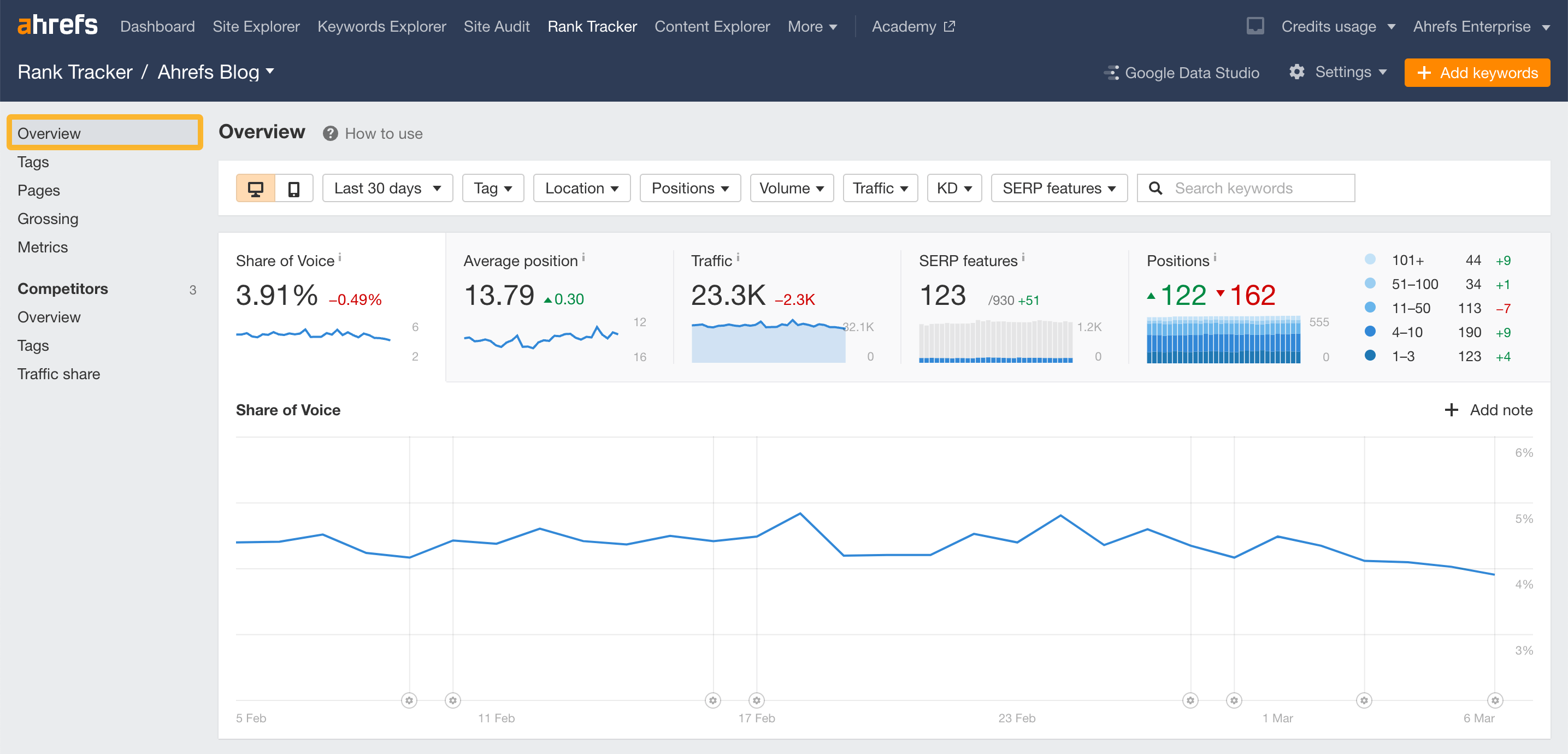
For the marketing budget to survive the CFO review, the monthly report needs three numbers per channel: spend, booked-job count, and average ticket per booked job. The derived numbers (cost per booked job, revenue per dollar spent) flow from those three inputs. Operators who report on impressions, clicks, or even leads without the booked-job tie-back consistently lose the budget defense battle when revenue softens or expansion plans get questioned by ownership.
Explore the details +
For the marketing budget to survive the CFO review, the monthly report needs three numbers per channel: spend, booked-job count, and average ticket per booked job. The derived numbers (cost per booked job, revenue per dollar spent) flow from those three inputs. Operators who report on impressions, clicks, or even leads without the booked-job tie-back consistently lose the budget defense battle when revenue softens or expansion plans get questioned by ownership.
For the marketing budget to survive the CFO review, the monthly report needs three numbers per channel: spend, booked-job count, and average ticket per booked job.